
Smart Lights Issues
basic issue we face with our smart lights

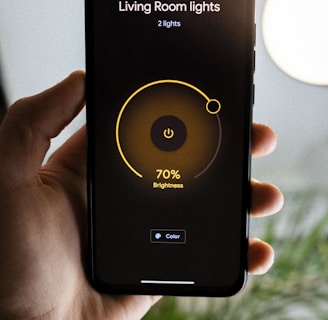
Smart lights have become a convenient part of everyday living, offering features like voice control, scheduling, remote access, and energy efficiency, but in daily routines many users experience a range of common issues that can interrupt their convenience and cause frustration if not properly understood or managed; one of the most frequent problems is connectivity failure, where smart lights stop responding due to unstable Wi-Fi networks, weak signal strength, or router overload, especially in homes with multiple connected devices, and this often happens when lights are installed far from the router or when the network switches between bands, leading to delays or complete disconnection, which can usually be improved by placing the router centrally, reducing interference from other electronics, or reconnecting the lights through the app, while another daily issue involves lights not responding to voice commands or app controls, which may occur due to syncing problems between the smart light system and the controlling application, outdated firmware, or temporary software glitches, and users often resolve this by restarting the light, updating the app, or re-linking the device, yet another common frustration is delayed response time, where lights take several seconds to turn on or off after a command, often caused by network latency, heavy traffic on the Wi-Fi, or background app processes, and while this might seem minor, it can disrupt the seamless experience that smart lighting is meant to provide, particularly during routines like waking up or going to bed, where immediate response is expected; scheduling errors are also widely reported in everyday use, where lights fail to turn on or off at the set time, which may be due to incorrect time zone settings, app syncing issues, or temporary internet outages, and users can fix this by verifying their app settings, ensuring the device remains connected to the internet, and occasionally re-saving schedules to refresh the system, brightness inconsistency is another issue where lights appear dimmer or brighter than expected, sometimes fluctuating without user input, which can result from incompatible dimmer switches, voltage fluctuations, or incorrect app calibration, and in such cases it is important to use compatible hardware and adjust settings directly through the app rather than external controls, color-changing lights may also face issues where the selected color does not match the output or resets to default, often due to firmware bugs or communication errors between the app and the light, and updating the device software or resetting the light can usually correct this, another routine challenge involves lights going offline in the app even though they are powered on, which typically happens when the device loses connection with the cloud service or the local network, and users may need to reconnect the device, restart the router, or check for app updates to restore functionality, power-related issues can also occur, such as lights not turning on after a power outage or resetting to default settings, which may require reconfiguration and can disrupt daily routines, especially if automation settings are lost, and to minimize this, users should ensure their devices support memory retention or reapply settings after outages, compatibility problems are another concern, particularly when integrating smart lights with other smart home devices, as not all systems work seamlessly together, leading to partial functionality or failed automation, and users should verify compatibility before adding new devices and follow proper integration steps within the app, security and privacy concerns also arise in daily use, as smart lights connected to the internet may be vulnerable if the network is not secure, and maintaining a strong password, updating firmware regularly, and using secure networks can help mitigate these risks, app-related glitches are common as well, including crashes, slow loading, or failure to detect devices, which can often be resolved by clearing cache, reinstalling the app, or ensuring the smartphone operating system is up to date, another issue users face is difficulty during initial setup, where the light fails to pair with the app, often بسبب incorrect installation steps, unsupported network settings, or interference, and following step-by-step instructions carefully, resetting the device, and ensuring the correct network band is used can help complete the setup successfully, environmental factors can also impact performance, such as placing smart lights in enclosed fixtures that block signals or expose them to heat, which can reduce efficiency and lifespan, and proper placement in open, ventilated areas is recommended for optimal performance, users may also encounter issues with automation routines not triggering as expected, which can be caused by conflicting settings, disabled permissions, or connectivity interruptions, and reviewing automation rules and ensuring all required permissions are enabled can help maintain consistency, firmware updates, while important for improving performance and security, can sometimes introduce temporary bugs or require reconfiguration, leading to confusion for users who may not be familiar with the update process, and it is advisable to follow update instructions carefully and restart devices afterward to ensure proper functioning, energy consumption tracking features may also display inaccurate data due to syncing delays or app errors, which can mislead users trying to monitor usage, and refreshing the app or reconnecting the device can often correct these discrepancies, despite these challenges, most smart light issues encountered in daily routines are not severe and can be resolved with simple troubleshooting steps such as restarting devices, checking network connections, updating software, and verifying settings, and understanding these common problems helps users maintain a smooth and efficient smart lighting experience without unnecessary frustration, it is also important to remember that this content is provided for general informational purposes only, and while it aims to help users identify and resolve common smart light issues, it does not replace official product documentation or professional assistance, and users should always follow manufacturer guidelines for installation, safety, and maintenance, ensuring a reliable and secure smart home environment.